Building Sustainable Fitness Habits for Busy Professionals
Balancing a demanding career and a healthy lifestyle is completely possible, but it requires a shift in mindset: from short, intense “programs” to simple, sustainable habits. The goal isn’t to train like an athlete; it’s to feel energized, strong, and focused—without sacrificing your job or personal life.
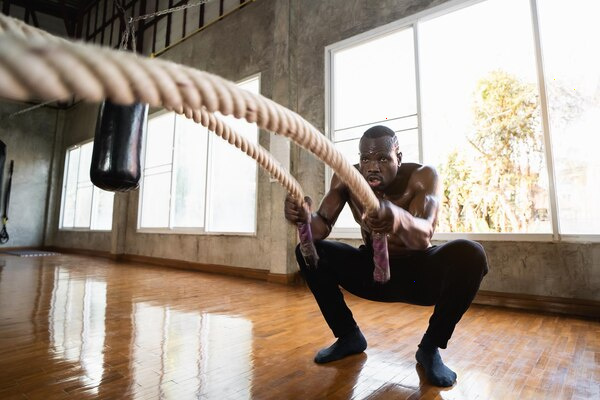
Below is a practical, no‑nonsense guide tailored for busy professionals.
1. Redefine What “Working Out” Means
Many professionals fail before they start because they think fitness requires:
- 60–90 minutes in the gym
- Perfect gear and environment
- Zero schedule disruptions
In reality, sustainable fitness is built on:
- Short, consistent sessions (even 10–20 minutes count)
- Flexible formats (home, office, outdoors)
- Good‑enough execution, not perfection
Think of workouts like brushing your teeth: small, regular actions that prevent long‑term problems.
2. Focus on the Minimum Effective Dose
You don’t need complex routines. You need the smallest amount of well‑chosen activity that delivers meaningful benefits.
Your weekly “minimum effective” movement plan
Aim for:
- 2–3 strength sessions per week (15–30 minutes each)
- 2–3 cardio sessions per week (10–30 minutes each, can be brisk walking)
- Daily movement breaks (2–5 minutes, several times per day)
If you’re extremely busy, start smaller:
- 10 minutes per day of intentional movement
- 2 days per week of strength training
Once this feels normal, gradually add more.
3. Turn Your Schedule into an Ally
You won’t find time. You must make time—and protect it.
Time-block like a meeting
- Choose 2–4 specific time slots per week for workouts.
- Put them in your calendar with the same seriousness as a client call.
- Treat them as non‑negotiable appointments with your future self.
Good options for busy people:
- Early morning: fewer interruptions, higher control
- Between meetings: 10–15 minute bursts
- Right after work: before you sit down and “melt” into the couch
If your schedule is chaotic, use a “next best slot” rule:
- If a planned workout gets bumped, you must reschedule it within 24 hours, even if it’s shorter.
4. Design a Simple, Repeatable Strength Routine
Strength training gives the greatest long‑term payoff: better posture, more energy, less pain, higher metabolism, and resilience against aging.
Core movements to focus on
You only need 4–6 basic patterns:
- Squat (e.g., bodyweight squats, goblet squats)
- Hinge (e.g., hip hinge, deadlifts, glute bridges)
- Push (e.g., push‑ups, bench or floor press)
- Pull (e.g., rows with dumbbells/bands, pull‑ups if available)
- Core (e.g., planks, dead bugs, side planks)
A 20-minute example workout (no or minimal equipment)
Repeat 2–3x per week:
- Bodyweight squats – 3 sets of 10–15
- Push‑ups (regular or inclined on a desk/wall) – 3 sets of 8–12
- Bent‑over rows (with dumbbells/backpack/bands) – 3 sets of 10–15
- Glute bridges – 3 sets of 12–15
- Plank – 3 rounds of 20–40 seconds
Keep rest short (30–60 seconds). If the workout feels too easy, add load, repetitions, or slow the tempo.
The priority is not variation; it is repetition. Do roughly the same session each week and very gradually progress.
5. Use Cardio as a Tool for Energy and Stress Management
Cardio doesn’t have to mean long runs or intense intervals.
Make walking your default
- Aim for 6,000–8,000 steps per day as a practical target.
- Use walking meetings for 1:1 calls when possible.
- Take 10-minute walks after meals to improve digestion and glucose control.
If you want something more structured
1–3 times per week:
- 10–20 minutes of moderate cardio
- fast walking, cycling, light jogging, elliptical
Or:
- Intervals when short on time (e.g., 10–12 minutes total):
- 1 minute faster pace
- 1–2 minutes easy pace
- Repeat 5–6 times
Cardio for busy professionals works best when it’s stacked onto existing habits (e.g., walk right after lunch, before your commute, or after putting kids to bed).
6. Build Movement into the Workday
If you sit all day, your body pays for it—even if you exercise. Reduce the damage by adding micro‑bouts of movement.
Ideas:
- Set a 45–60 minute timer: when it goes off, stand, stretch, or walk for 2–3 minutes.
- Take phone calls standing or walking when possible.
- Keep a resistance band or light dumbbells near your desk:
- 1–2 sets of rows, presses, or squats between tasks.
- Use stairs instead of the elevator when realistic.
- If you work from home, do 5 squats or 5 push‑ups every time you use the bathroom or get coffee.
These small bursts add up and help you feel less stiff and tired by evening.
7. Simplify Nutrition for Consistency
Food fuels your training, focus, and recovery. You don’t need a perfect diet; you need a mostly good, repeatable one.
Simple rules that work for most busy professionals
- Prioritize protein at every meal
- eggs, Greek yogurt, cottage cheese
- chicken, turkey, fish, beef
- tofu, tempeh, lentils, beans
- Fill at least half your plate with vegetables or fruit
- Choose mostly whole foods, limit ultra‑processed snacks and sugary drinks
- Stay hydrated: keep a water bottle at your desk
Structure your day
A practical baseline:
- Breakfast: protein + fiber
- e.g., Greek yogurt with berries; eggs with vegetables and whole‑grain toast
- Lunch: protein + vegetables + smart carbs
- e.g., chicken salad with beans; rice bowl with tofu and mixed vegetables
- Dinner: light to moderate, focus on protein and veggies
- Snacks (if needed): nuts, fruit, yogurt, cheese, or a protein shake
If healthy choices are inconvenient, you will default to whatever is easiest. Remove friction:
- Identify 2–3 go‑to meals you can order or prepare quickly.
- Keep backup options at work: protein bars/shakes, nuts, canned tuna, instant oats.
8. Use Systems, Not Willpower
Relying on motivation is unreliable; build systems that reduce decision fatigue.
Practical systems
- Plan your week on Sunday:
- When will you train?
- What will you eat during busy days?
- Lay out clothes and equipment the night before morning workouts.
- Batch‑cook or pre‑plan 2–3 meals so you’re not deciding under stress.
- Use automation and reminders:
- calendar alerts for workouts
- app reminders for movement breaks
Reduce friction until doing the right thing becomes the easiest option.
9. Set Realistic Goals and Track the Right Things
If your goals are vague (“get in shape”) or extreme (“lose 10 kg in a month”), you’ll quickly lose focus.
Better goal structure
- Outcome goal: “Have more energy and maintain a healthy weight.”
- Behavior goals (what you actually control):
- Strength train 2x per week
- Walk 6,000–8,000 steps on weekdays
- Include protein at every meal
What to track
- Weekly behaviors, not just weight:
- How many workouts done?
- How many steps on average?
- How many days did you hit your protein/meal plan?
- Subjective metrics:
- Energy levels
- Sleep quality
- Mood and stress
Aim for trend improvement, not daily perfection.
10. Manage Sleep: The Foundation You Can’t Ignore
Busy professionals often sacrifice sleep first, then wonder why they’re exhausted, craving sugar, and skipping workouts.
Basic sleep hygiene:
- Aim for 7 hours minimum on most nights.
- Keep consistent sleep and wake times, even on weekends when possible.
- Limit screens for 30–60 minutes before bed.
- Avoid heavy meals and intense work right before sleep.
Better sleep makes every other habit easier: training, nutrition, focus, and emotional regulation.
11. Handle Travel and “Crazy Weeks” with a Backup Plan
You’ll have weeks where your schedule explodes. Sustainability depends on how you handle these periods.
Create a “bare‑minimum plan” for busy weeks
For example:
- Movement:
- 2 bodyweight sessions of 10–15 minutes in your hotel room or at home
- Daily walking (even around airports, parking lots, hallways)
- Nutrition:
- One protein‑focused meal per day
- Stay hydrated; limit liquid calories and excessive alcohol
Your rule: never drop to zero. Even 10 minutes maintains the habit and identity of someone who takes care of their health.
12. Shift Identity: Become the Person Who “Just Does This”
Long‑term success isn’t about hacks; it’s about identity.
Instead of:
- “I’m too busy to work out.”
Reframe as:
- “I’m a busy professional who takes care of my body so I can perform and live well.”
You reinforce this identity by:
- Showing up for short workouts even when you’re tired
- Making slightly better choices at business dinners
- Walking instead of sitting when you have the option
Every small action is a vote for the person you’re becoming.
13. Putting It All Together: A Sample Weekly Template
For a very busy professional:
Monday
- Morning: 20‑minute strength session
- Workday: 2–3 movement breaks + stairs when possible
- Evening: 10‑minute walk
Tuesday
- 15–20 minutes brisk walking (split into 2–3 chunks)
- Protein‑focused meals
Wednesday
- Morning or lunch: 20‑minute strength session
- Short stretching break mid‑afternoon
Thursday
- Walk during one call or break (15–20 minutes)
- Optional light cardio in the evening (bike, jog, or longer walk)
Friday
- 20‑minute strength session
- Evening walk or light activity
Saturday / Sunday
- 30–60 minutes of enjoyable movement: hiking, cycling, swimming, playing with kids, sports
- Plan next week’s training blocks and food basics
This template is a starting point. You can scale it up or down based on your reality.
Sustainable fitness for busy professionals is built on:
- Small, consistent actions
- Simple, repeatable routines
- Systems that support your goals
- Flexibility instead of all‑or‑nothing thinking
You don’t need more time. You need a clearer structure, a realistic plan, and the willingness to start imperfectly and keep going.